
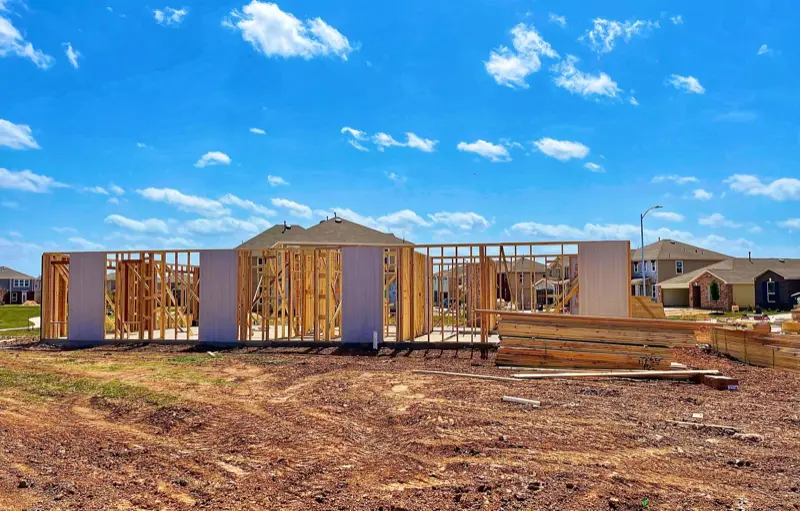
Understanding ADUs and Home Additions in San Diego
In San Diego, the choice between building an Accessory Dwelling Unit (ADU) and a home addition can significantly impact your budget and property value. ADUs, often known as granny flats, are separate living spaces built on the same lot as your primary residence. In contrast, home additions expand the existing structure. Understanding the nuances of each option is crucial to making an informed decision.
As of 2026, the average cost of constructing an ADU in San Diego ranges from $180,000 to $250,000, depending on factors like size, finishes, and whether the unit is detached or attached. Home additions, on the other hand, typically cost between $150,000 and $300,000, with variations influenced by the complexity of integrating the new space with the existing structure.
Permits are essential for both options and are obtained through the Development Services Department. Title 24 compliance, which ensures energy efficiency, is mandatory. ADUs generally have a streamlined permit process, especially for properties located inland, such as in La Mesa or El Cajon. Coastal properties, like those in Pacific Beach, may encounter additional regulations due to the California Coastal Commission's oversight.
Neighborhood trends also play a role. San Diego's Development Services Department highlights that ADUs are particularly popular in neighborhoods like North Park due to older home layouts, while areas like Otay Ranch see more traditional home additions thanks to newer construction styles. These preferences are mirrored in property values, with ADUs offering a potential ROI of 20-30% over five years, especially when used as rental units. Home additions, meanwhile, can offer an ROI of 50-75%, particularly when adding bedrooms or bathrooms, which are highly desirable in family-centric neighborhoods.
Ultimately, the decision between an ADU and a home addition should consider not only immediate costs but also long-term benefits, neighborhood trends, and regulatory requirements. Consulting with a licensed contractor familiar with San Diego's unique landscape can provide invaluable guidance tailored to your specific needs.
2026 Cost Breakdown: ADU vs Home Addition
Costs vary significantly between ADUs and home additions in San Diego, influenced by specific local factors and regulations. Here is a detailed cost comparison for 2026:
| Item | ADU | Home Addition |
|---|---|---|
| Construction Cost per Sq Ft | $300 - $350 | $200 - $250 |
| Permit Fees | $4,000 - $6,000 | $2,500 - $4,000 |
| Architectural Design | $5,000 - $10,000 | $3,000 - $7,000 |
| Utility Connections | $2,000 - $5,000 | $1,000 - $3,000 |
| Development Services Department Processing | $1,500 - $2,500 | $1,000 - $1,500 |
| Title 24 Compliance | $1,000 - $1,500 | $800 - $1,200 |
For coastal areas like La Jolla or Del Mar, additional considerations for Coastal Commission permits and environmental assessments may add $3,000 to $5,000 to your project costs. Inland areas such as Escondido or Poway may see fewer restrictions, but energy efficiency upgrades to comply with Title 24 can still be significant.
Factors like labor costs, which are expected to rise by around 5% annually, and material availability influenced by global supply chains, impact these estimates. In San Diego, a typical 500 sq ft ADU might cost between $150,000 and $175,000, while a similar-sized home addition could range from $100,000 to $125,000, depending on the complexity and specific location requirements.
For a precise calculation tailored to your needs, consider using our cost calculator or contact us for a personalized quote based on your neighborhood and project specifics.
Permits and Regulations: What You Need to Know
Building an ADU or a home addition in San Diego requires navigating a complex web of regulations. According to the California State License Board (CSLB), all contractors must be licensed, and projects must comply with the state's Title 24 building codes, which include energy efficiency standards. In 2026, expect additional updates focusing on solar readiness and electric vehicle charging infrastructure requirements.
San Diego's Development Services Department mandates that ADUs maintain a minimum distance from property lines, typically four feet. This can be a common challenge in areas with smaller lots like La Jolla and Ocean Beach. Additionally, coastal areas such as Pacific Beach may require Coastal Development Permits, adding to both the timeline and cost.
Home additions must also adhere to seismic requirements due to the city's location in a seismically active region. This often involves additional structural engineering costs, approximately $3,000 to $5,000, depending on the complexity of the project. Inland areas like Poway or El Cajon may have different requirements compared to coastal regions, impacting both materials and design choices.
Permits can cost between $1,500 and $3,000 for ADUs, while home additions can range from $2,000 to $4,000, depending on square footage and specific neighborhood regulations. Permit processing times in 2026 are expected to range from 6 to 12 weeks, so early application is crucial. For detailed guidance, our handyman services can assist in ensuring compliance and help streamline the process.
ROI Comparison: ADU vs Home Addition
Both ADUs and home additions can enhance your property's value, but they offer different ROI potentials. ADUs, especially in high-demand rental areas like University City, can generate rental income, providing an ROI of up to 20% annually. The rental market in San Diego continues to thrive, with average monthly rents for a one-bedroom ADU ranging from $2,200 to $2,800, depending on proximity to the coast and amenities. This can translate to a substantial yearly income, making ADUs a lucrative option for investors.
Home additions, while they typically offer a lower immediate ROI of around 10-15%, increase the livable space, potentially boosting property resale value. For example, a 400-square-foot family room addition in neighborhoods like La Jolla or Del Mar can cost approximately $160,000 to $180,000 in 2026, but this investment can significantly enhance the home's market appeal, especially in coastal areas where space is at a premium. The increased square footage can elevate a home's market value by $200,000 to $250,000, particularly if the addition enhances ocean views or integrates sustainable technologies in line with Title 24 requirements.
In San Diego, navigating the permit process with the Development Services Department is crucial for both ADUs and home additions. ADU projects may benefit from expedited permitting processes, especially in areas designated for increased housing density. Home additions, however, might require more extensive review, particularly in coastal zones, due to stricter regulatory compliance.
Our free estimate service can help determine the best option for maximizing your investment based on your specific location and market conditions. By evaluating factors such as neighborhood demand, local zoning laws, and potential rental income, we provide tailored advice to ensure your project aligns with both your financial goals and regulatory requirements.
Climate and Neighborhood Considerations
San Diego's diverse climate zones and neighborhoods play a pivotal role in deciding between an ADU and a home addition. Coastal areas like Pacific Beach face unique challenges such as salt air corrosion and higher UV exposure, which can increase maintenance costs for ADUs. For example, salt air can lead to accelerated wear on exterior finishes, potentially adding an extra $1,000 to $2,000 annually in maintenance costs. Inland neighborhoods like Rancho Bernardo, however, might benefit more from home additions due to less stringent environmental factors, allowing for potentially lower long-term maintenance expenses.
Additionally, the San Diego Development Services Department requires specific permits for construction projects, which can differ significantly between coastal and inland areas. Coastal areas may necessitate additional Coastal Development Permits, which could extend the timeline and increase costs by $5,000 to $10,000. Understanding these requirements and integrating them early in the planning process is crucial for staying on budget and schedule.
Considerations such as drought-tolerant landscaping, which is crucial in San Diego's semi-arid climate, can be integrated into both ADU and home addition plans. Implementing xeriscaping techniques not only enhances property aesthetics but also complies with the 2026 Title 24 energy efficiency standards. This could lead to savings of approximately $500 per year on water bills. Our schedule service can help you plan these adjustments effectively.
Whether you're in La Jolla dealing with coastal regulations or in Escondido focusing on maximizing backyard space, understanding how local climate and neighborhood considerations impact your project is essential. Proper planning can significantly affect the return on investment, ensuring that whether you choose an ADU or a home addition, your project is both financially and environmentally sustainable.
Frequently Asked Questions
What permits are required for an ADU in San Diego?
You need a building permit from the San Diego Development Services Department, which includes site plans and compliance with Title 24 standards.
How long does it take to build an ADU in San Diego?
Building an ADU typically takes 6-12 months, depending on permit approval and construction complexity.
Is an ADU or home addition more cost-effective in San Diego?
ADUs often have a higher upfront cost but can offer better long-term ROI through rental income, especially in rental-demand areas.
Ready to Start Your Project?
Contact Subworkit Contracting today for a free consultation. We serve San Diego County.